What Is a Mortise Lock and Why Does It Fail?
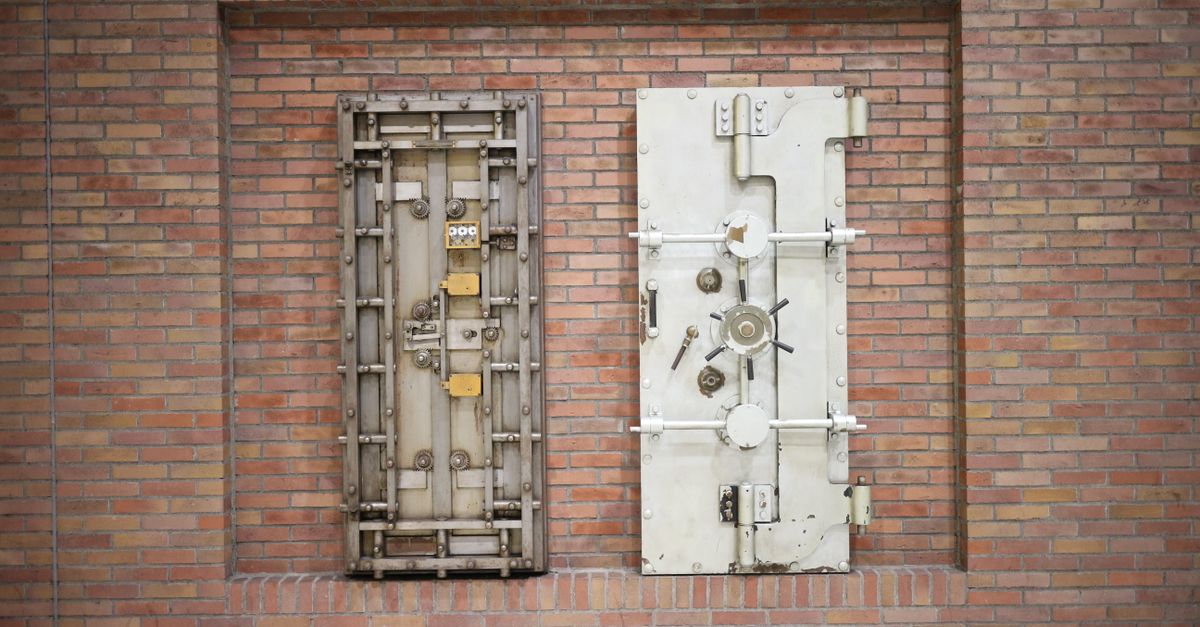
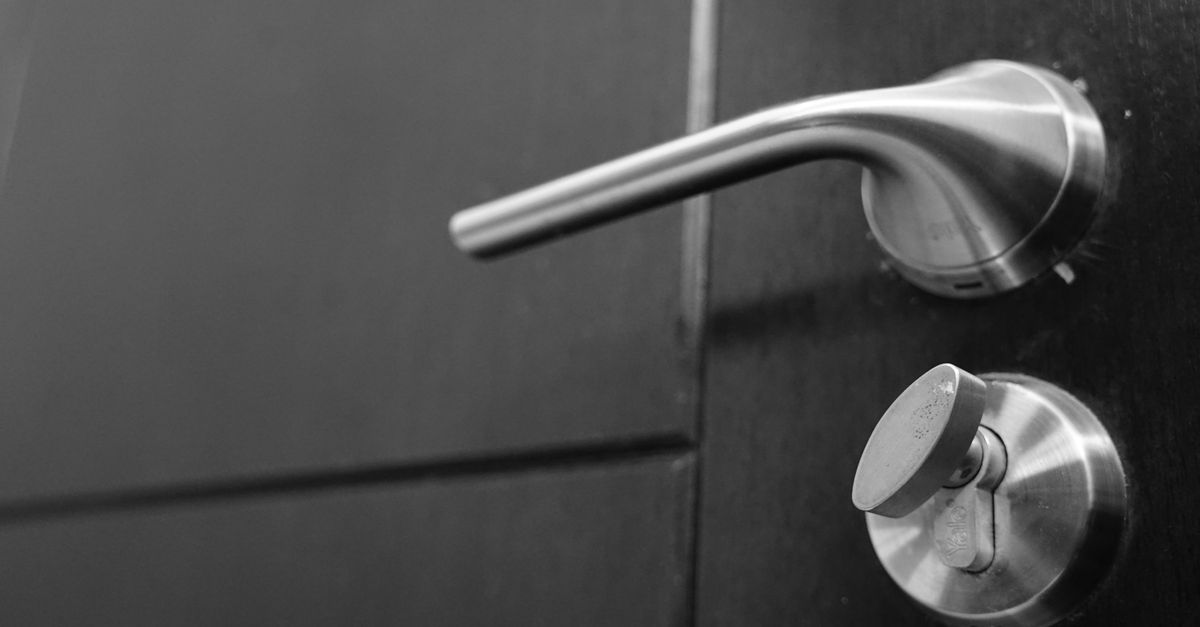
A mortise lock is a multi-component locking mechanism that lives inside the door body rather than on its surface. The lock case contains the latch bolt, the deadbolt or deadlatch, and the internal cam or lever mechanism. A separate mortise lock cylinder is threaded into the case from the face of the door and operates the cam when a key is turned. This integrated design is common in older Mission Viejo residences built in the 1970s and 1980s, on commercial entry doors throughout the Shops at Mission Viejo corridor, and on historic-style interior doors in higher-end communities like Painted Trails and Pacific Hills. Premium hardware lines like Baldwin mortise lock sets and Corbin Russwin mortise lock products are frequently found in these installations because of their durability and aesthetic finish options.
Over time, the internal springs that hold the latch bolt under tension weaken and cause sticking or dragging against the strike plate. The cam — the rotating piece that translates key turns into bolt movement — can crack or deform, making the lock feel loose or completely unresponsive. Door settling, which is common in South Orange County homes as foundations shift through our dry summers and wetter winters, creates misalignment between the case and the strike, putting side pressure on the latch that accelerates wear. Grit, dried lubricant, and salt air from the proximity to the coast can seize internal components as well. Understanding which specific part has failed — not just that the door will not latch — is what separates a targeted repair from a costly full replacement.