Car Key Replacement Mission Viejo: How Brand and Technology Determine the Process
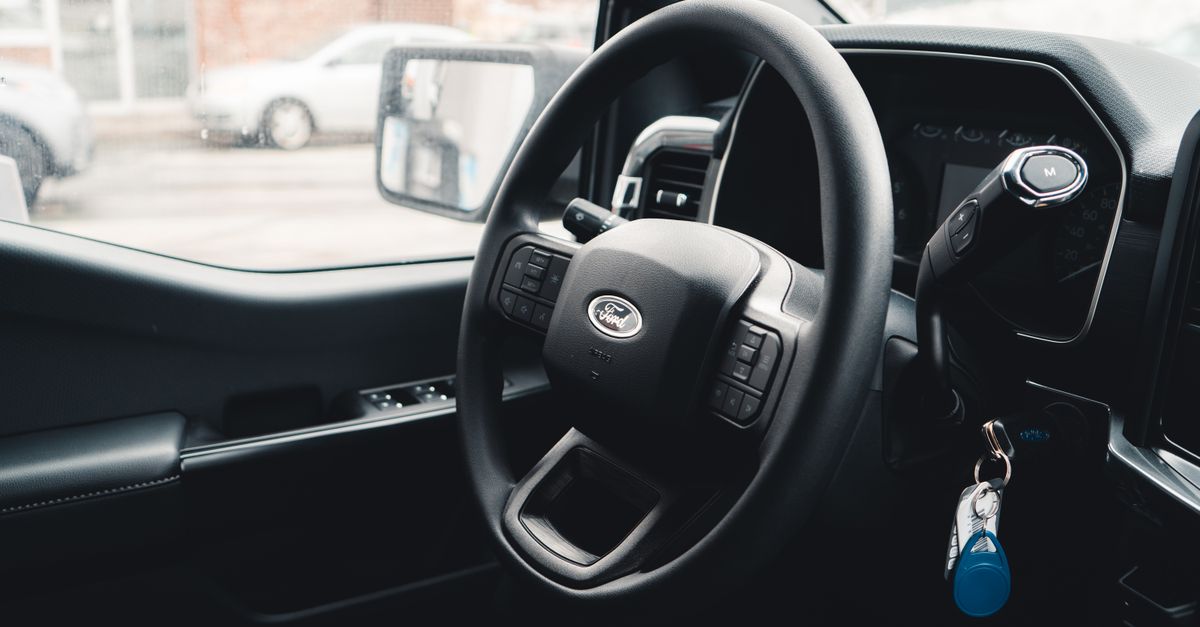
Not every car key replacement job is the same, and the brand of your vehicle is the single biggest variable in the process. Toyota and Lexus vehicles, for example, use a rolling-code transponder system that must be synchronized with the ECU during programming — skipping that synchronization leaves you with a key that cranks but will not start the engine. Honda and Acura models from the mid-2000s onward use a separate immobilizer module, meaning the key blank, the chip, and the vehicle's immobilizer all need to be introduced to one another in the correct sequence. Ford, Lincoln, and Mercury vehicles manufactured after 2011 often use a Tibbe-style cut combined with a PATS (Passive Anti-Theft System) transponder that demands dealer-level diagnostic communication — which our mobile equipment replicates in the field.
European makes add another layer of complexity. BMW and MINI key fobs contain an EWS or CAS immobilizer module that communicates via a dedicated protocol, while Mercedes-Benz vehicles from the W204 generation onward use an infrared key combined with a separate DAS anti-theft module. Audi, Volkswagen, and Porsche models built on the MQB platform require component-protection coding before a new key can be accepted — a step that requires live server access during programming. Our technicians train on these platforms specifically so that no steps are skipped. If you drive a Chevrolet, GMC, or Cadillac, your key likely uses a B-cut blade paired with a 46 or 47-series transponder chip, and many newer models add a Passlock III or VATS layer that must be addressed before the vehicle will start reliably.