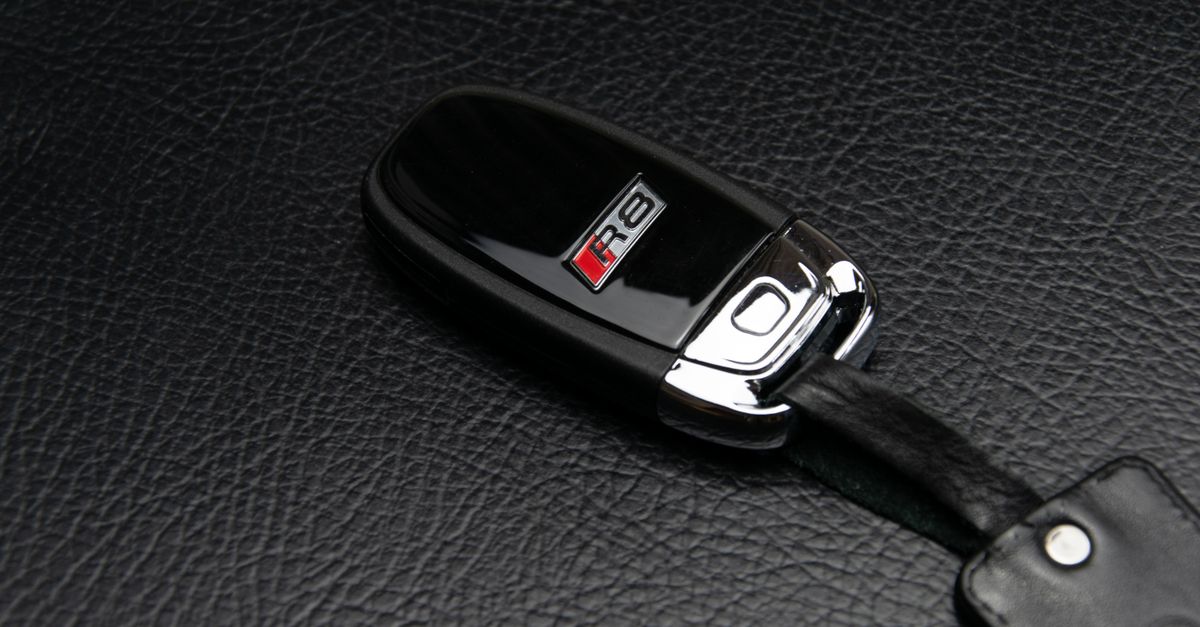
Audi Car Key Replacement: What Makes Audi Keys Different
Audi has progressively moved away from traditional metal keys toward a suite of electronic key technologies. Older models from the late 1990s and early 2000s used basic transponder keys — a metal blade with a small chip embedded in the head that must be programmed to match the vehicle's ECU. If the chip is not correctly paired, the engine will crank but refuse to start, leaving you stranded. Mid-generation models introduced remote key fobs that combine a transponder chip with radio-frequency buttons for locking, unlocking, and in some cases opening the trunk. The newest Audi platforms use proximity smart keys, sometimes called Audi Advanced Key, that allow push-button starting without ever removing the fob from your pocket. Each generation requires a different replacement and programming process.
Because Audi uses proprietary immobilizer protocols, programming a replacement key is not as simple as cutting a blade and handing it over. Our technicians use professional-grade automotive key programming tools that read and write to the vehicle's immobilizer module, synchronizing the new key or fob so the car recognizes it as legitimate. This is the same essential process a dealership performs, but it happens right where your car is parked — in your driveway off La Paz Road, in a parking structure near Kaleidoscope, or anywhere else in the Mission Viejo area. We come to you, we do the work on-site, and in most cases we can have you back on the road faster than a dealership appointment would allow.